The ways of Norway
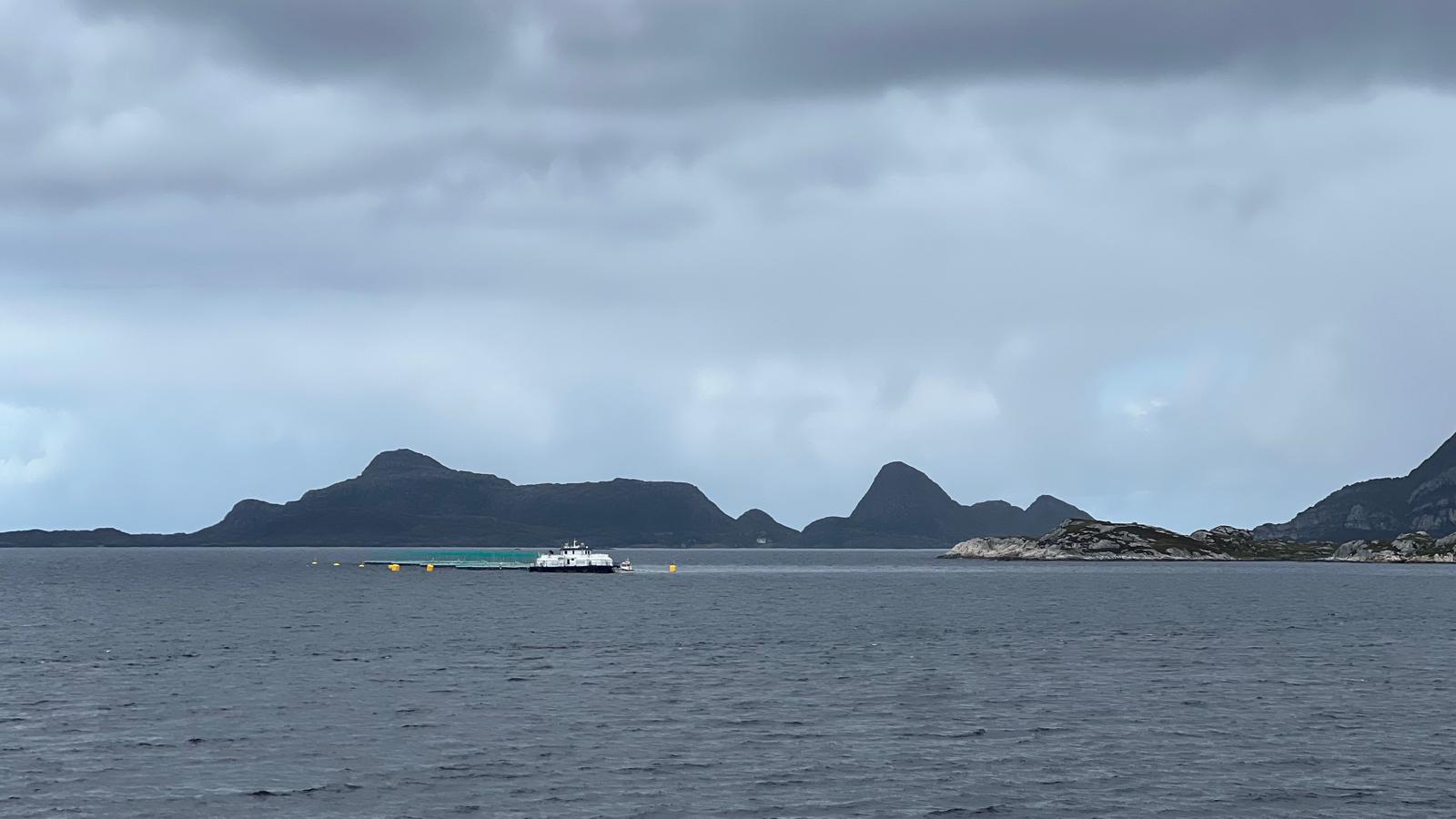
Like Scotland, Norway is abundant in natural resources. A sea full of fish, a sea-bed full of oil … water, water everywhere. Steep jagged mountains, spectacular waterfalls, fjords and dramatic shorelines, provide a beautiful natural landscape for people to relax or be active in. High mountains with lots of rain are ideal for hydropower, ample wind and plentiful coastal space suitable for wind turbines.
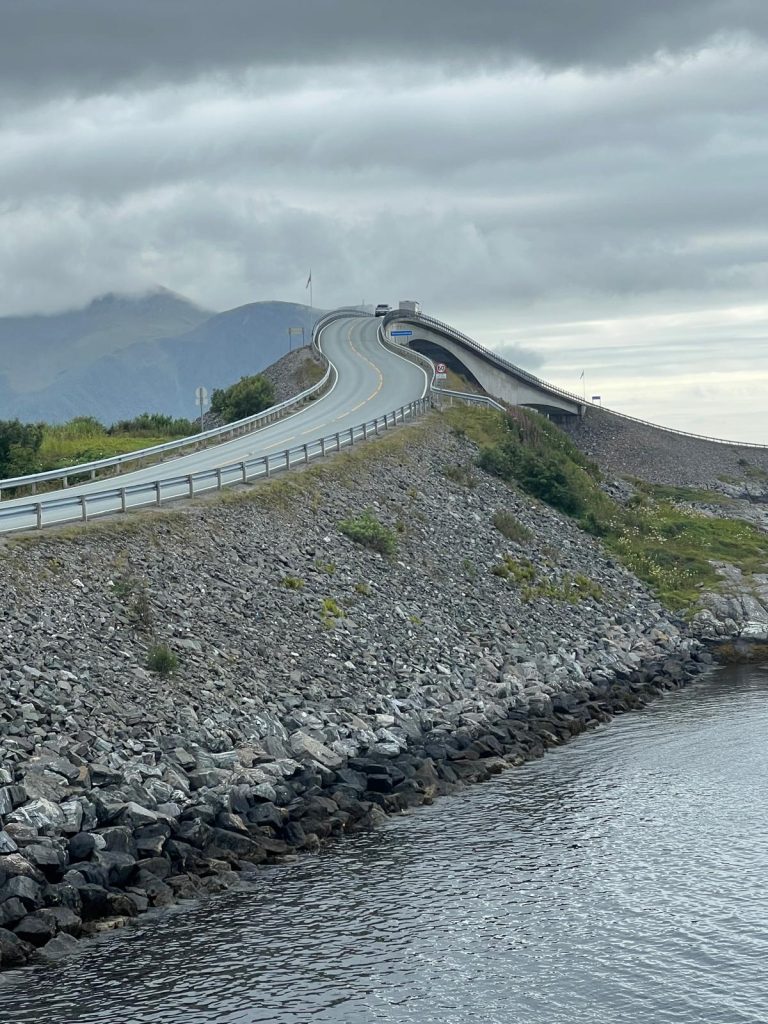
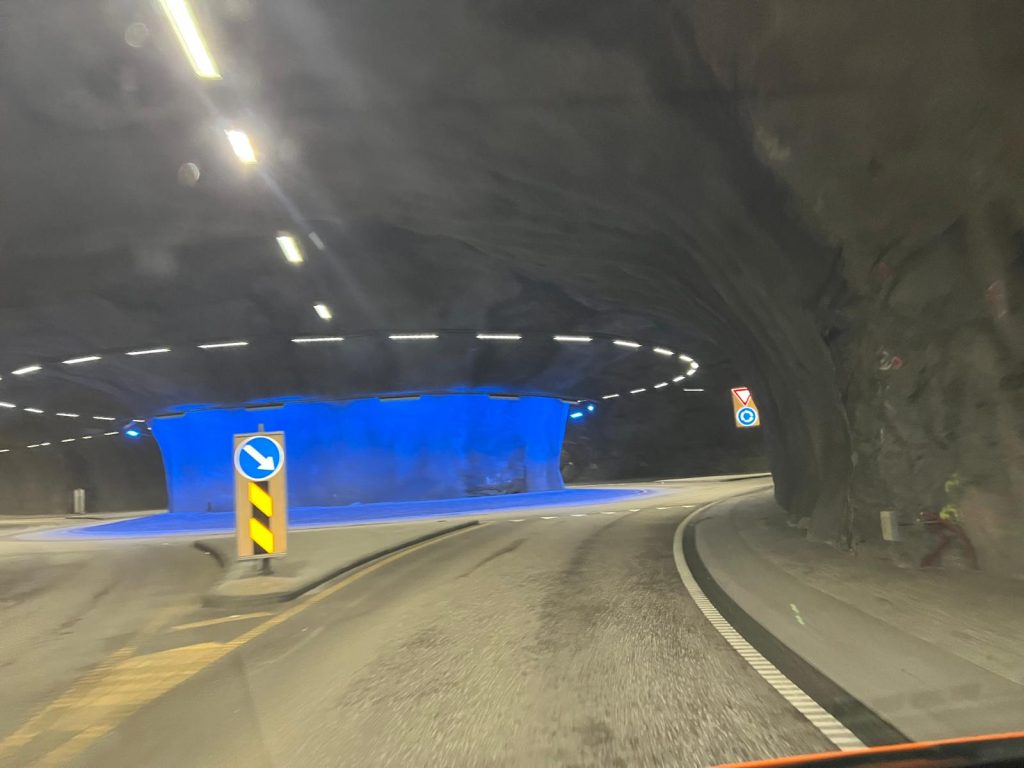
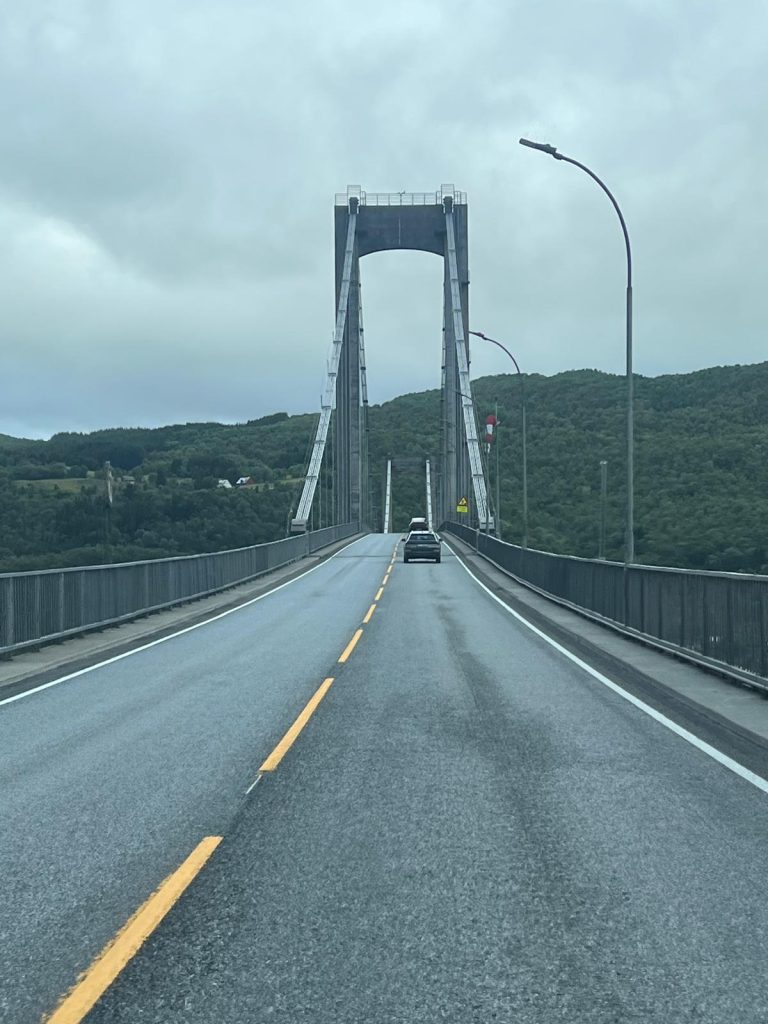
Norway is over 1000 miles from north (in the arctic circle) to south, has a mountain range running down its entire length, a coastline which is indented with fjords (the longest Sognefjord is 130 miles long) and over 300,000 islands, around 200 of which are inhabited. It’s a stunning place to drive, firstly because of its breath-taking natural beauty and secondly because it’s connected with transport infrastructure which includes many awe-inspiring feats of engineering. There are over 900 tunnels (the longest of which is 15 miles in length), cutting through mountains or passing under fjords. Some tunnels are a spiral, taking you from top to bottom of a mountain, some contain roundabouts where there may be multiple routes. There are bridges which cross to islands and connect two sides of steep valleys. Where there are no bridges or tunnels connecting islands or crossing fjords, there’ll undoubtedly be ferries – there are 100 ferry links in Norway.
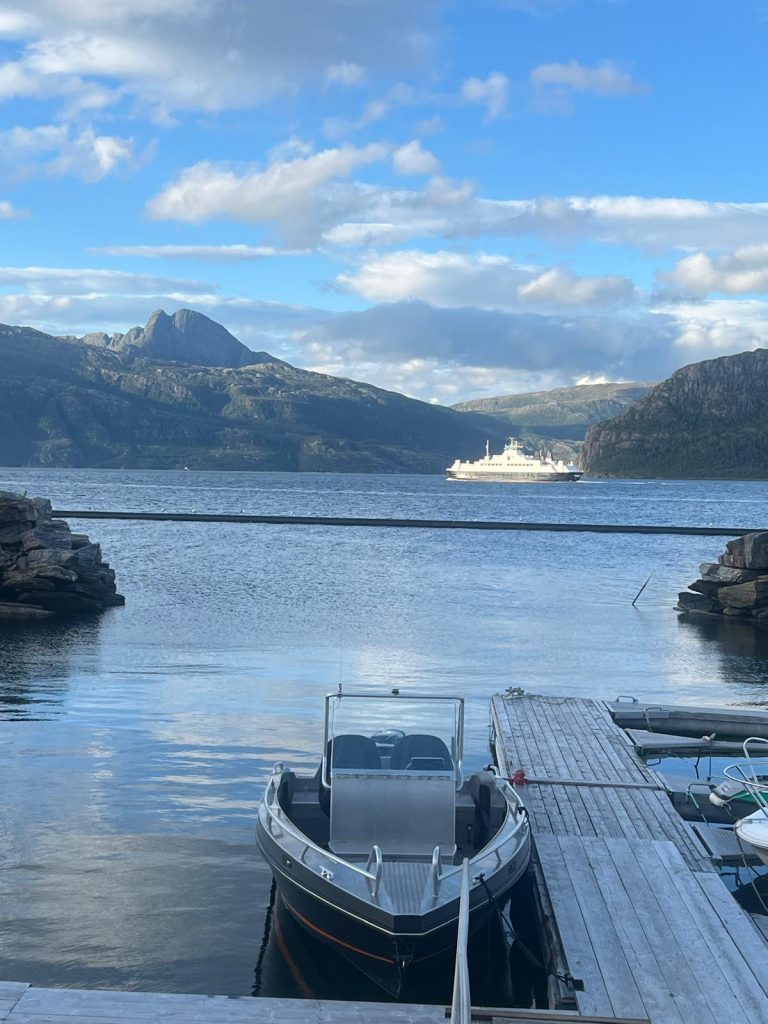
Some of the ferries might be run in areas where there are only a hundred or so people, and in some cases, these ferries are free. Does this make economic sense? Yes, Grete, a Norwegian lady we stayed with, explained. Once you have the ferry link, it opens up the area for development of fisheries and wind power, as well as making the areas accessible to tourists. This allows the most to be made of the resources in the country, maintains a rural population and boosts employment for local people.
Is this a result of Norway’s Sovereign Wealth Fund (Norway chose in the 1990s to have direct state control of oil and invest profits as a long-term asset)? Well only 3 percent of the profits generated can be used in government spending (it’s main purpose is to save so future generations can continue to benefit from the wealth generated from oil and gas). That said, 3 percent of the revenue from a now two trillion dollar fund must still be significant.
From what I gather, sometimes money is allocated to local communities, sometimes state companies are involved and sometimes private companies are bidding for contracts. Like anywhere there is always debate on whether things are being done in the best way, but surely there’s a lot to learn from Norway’s approach to infrastructure and economic development.